
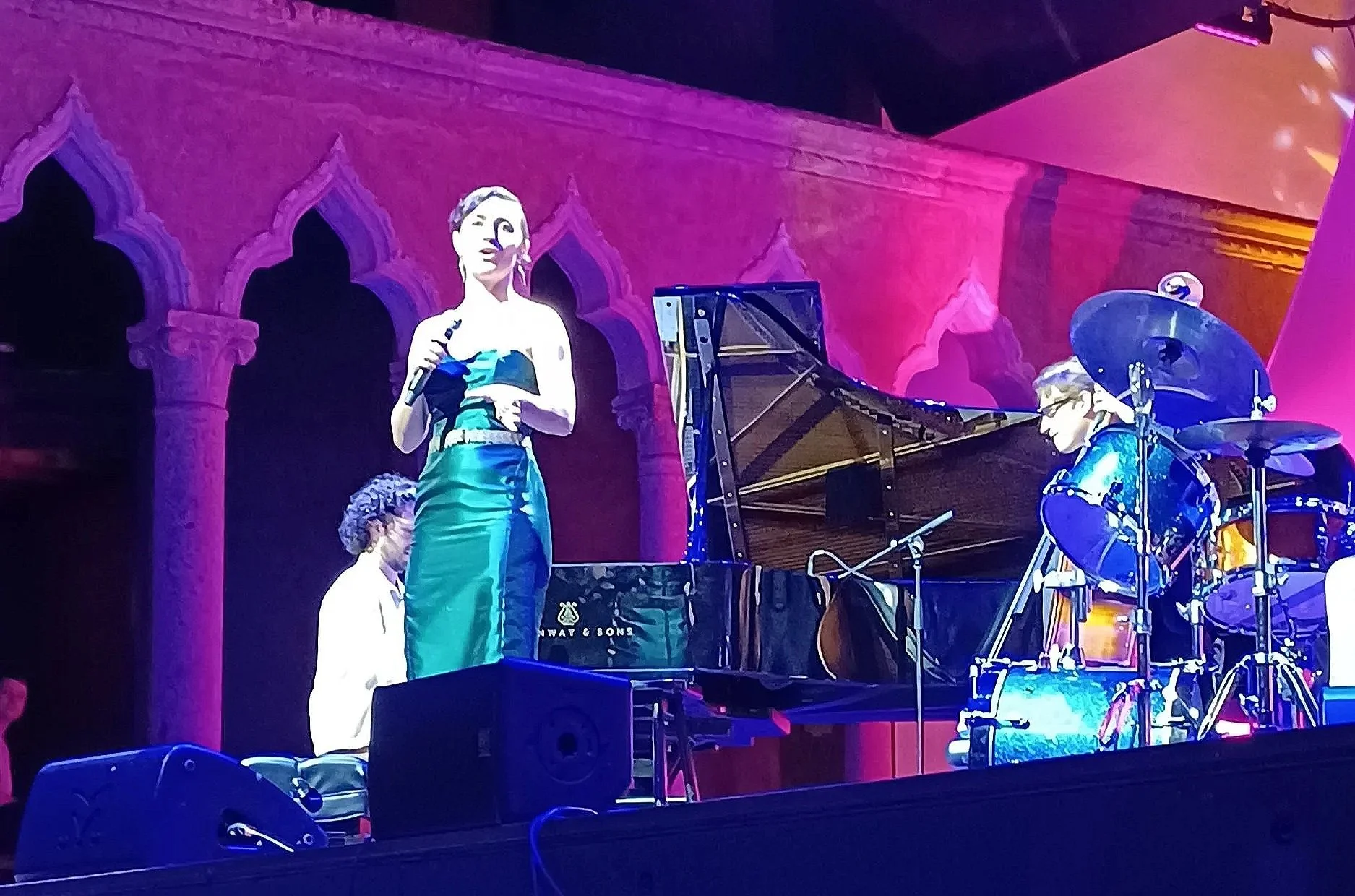
An Accumulation of Moments
Watching William Hill III emerge, listening to Walter Blanding reinterpret tradition, laughing with Joe Farnsworth, and sharing another conversation with Emmet Cohen, I realized that nothing important arrives all at once. Not musicians. Not friendships. Not lives. They accumulate.
JRAD Wetville Revisted
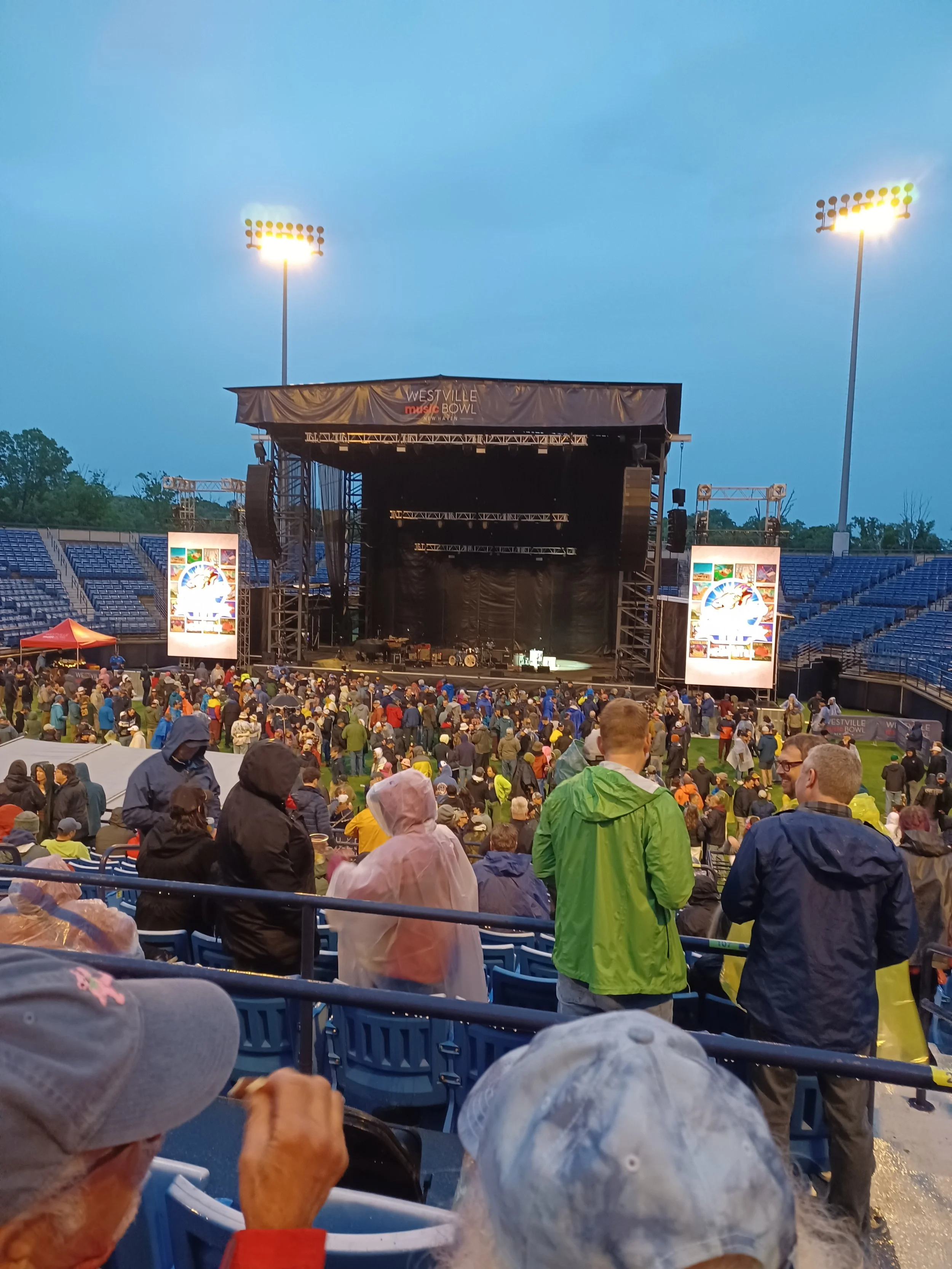
Heavy rain, wandering signals, altered artifacts, and prolonged improvisational exposure destabilize consensus reality at JRAD’s Westville contamination event. Wild Wild Westville markers spread through the crowd as soaked travelers, drifting music, and temporary threshold communities emerge beneath the storm.
Julius Rodriguez at Jazz Forum Arts
Wandering Nomads should always keep their ears close to the ground.
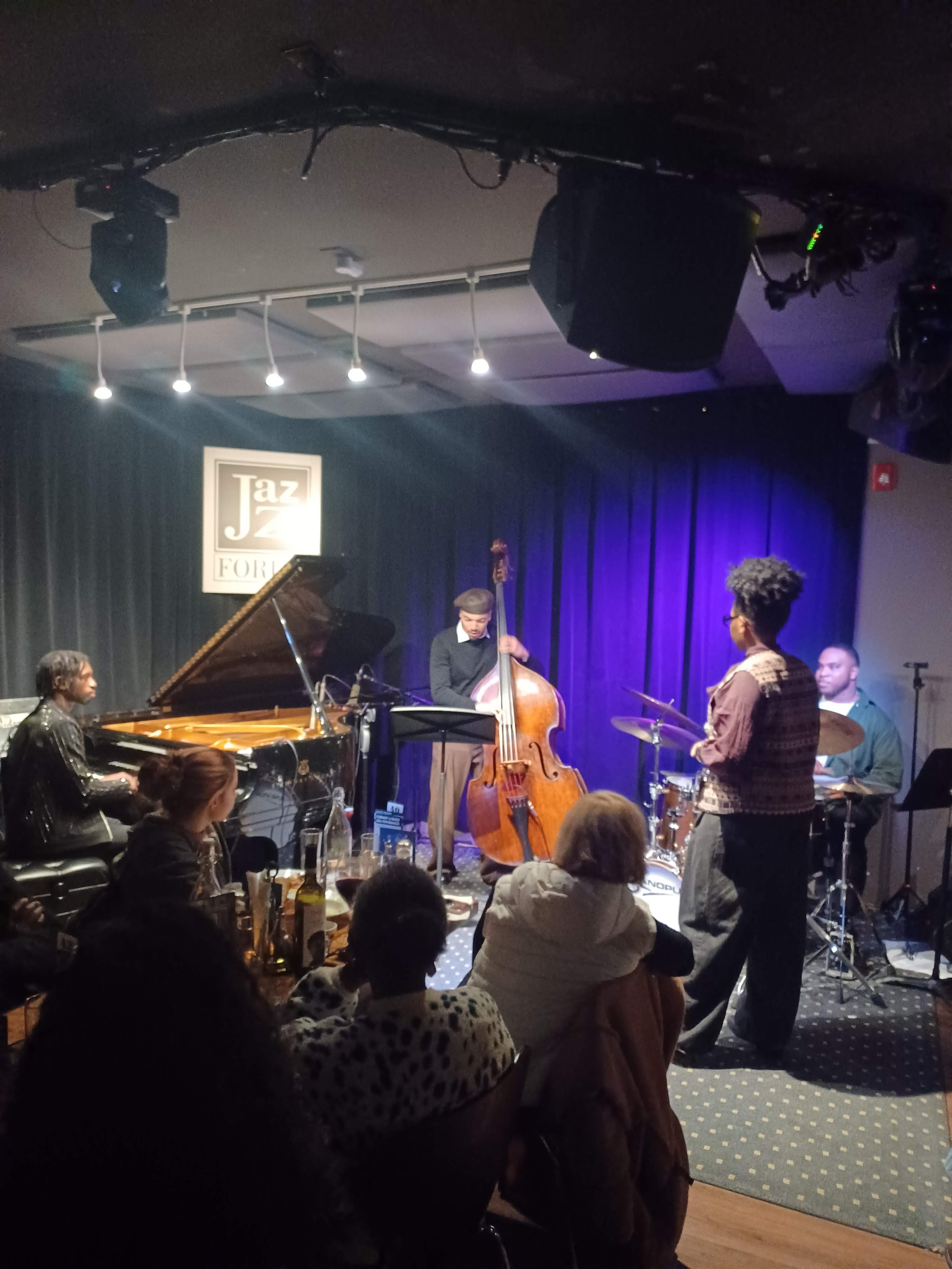
On February 6, 2026, travelers gathered inside Jazz Forum Arts in Tarrytown, New York for two sold-out performances by Julius Rodriguez and his quartet featuring vocalist Ekep Nkwelle alongside Brandon Rose and Joshua Watkins. What unfolded inside the intimate Hudson Valley listening room felt less like ordinary entertainment and more like a living conversation between improvisation, openness, trust, and emotional movement itself.
Jazz Forum Arts carries a rare atmosphere — warm lighting, incredible sound, thoughtful cocktails, good food, and a room genuinely designed for listening. Under the guidance of founder and trumpeter Mark Morganelli, the space has become one of the lower Hudson Valley’s most important signal sites for wandering observers seeking new sounds and alternate emotional environments outside conventional systems.
At several points during the performance the room became completely still.
Observers leaned forward unconsciously.
Conversations disappeared.
Even glasses stopped moving.
The music did not demand attention.
It invited openness.
Contamination Observation: Capitol Theatre / Bob Weir Remembered /January Signal Accumulation
Some theaters behave less like buildings and more like emotional weather systems.
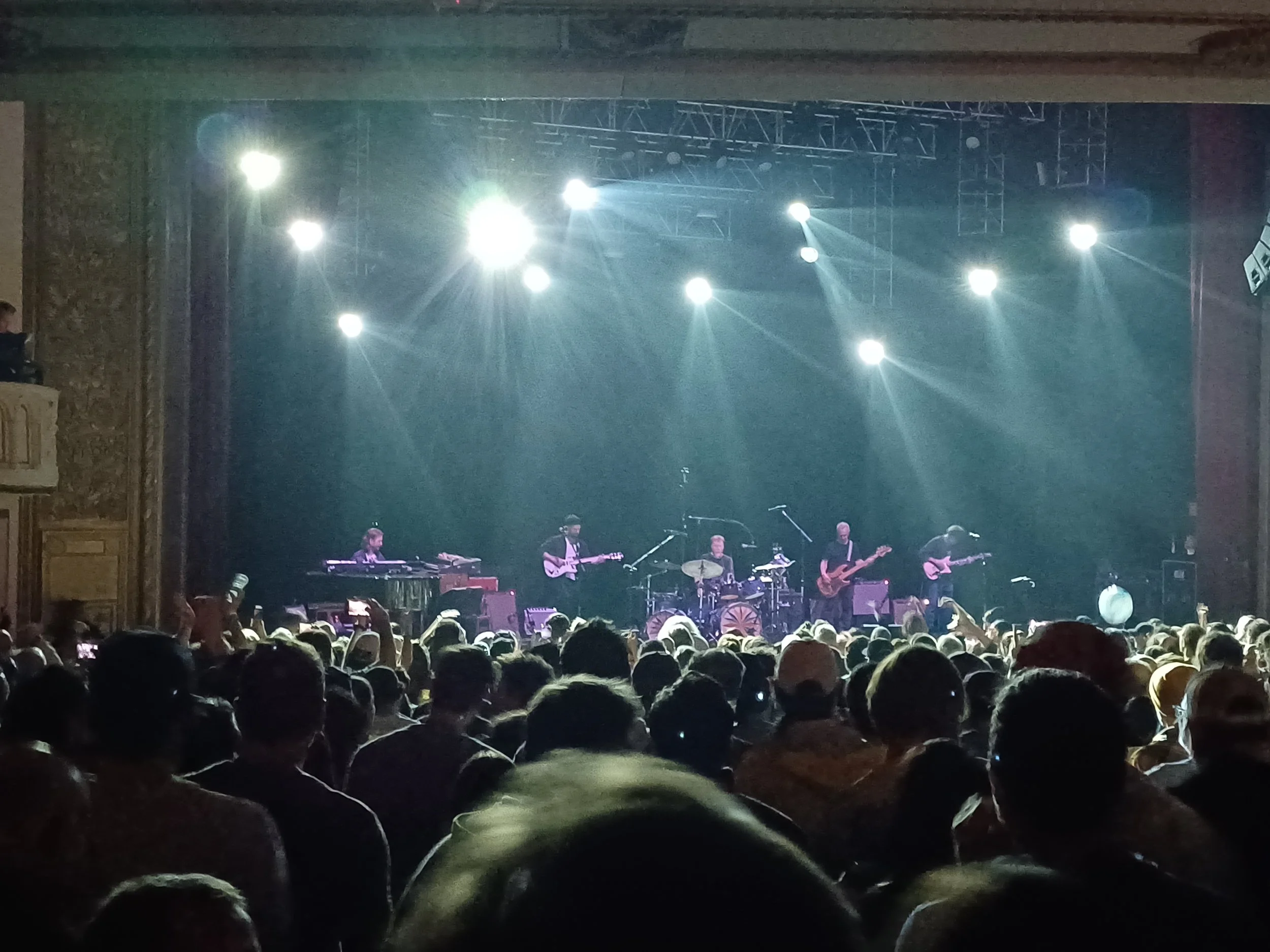
During Joe Russo’s Almost Dead’s January 2026 homecoming run at the historic Capitol Theatre in Port Chester, wandering Nomads gathered inside one of the Northeast’s strongest known signal accumulation zones only days after Bob Weir’s passing beyond visible observation. The result felt less like a concert weekend and more like a temporary synchronization event involving grief, improvisation, memory, and collective traversal through emotionally amplified space.
The Bobby Tribute Jacket accompanied the entire run beneath aging balconies, impossible acoustics, and the soft instability old theaters seem to accumulate over decades of repeated emotional convergence.
Old theaters remember.
Jorma’s 85th at The Warner
Some nights feel impossibly full before the first note is even played.
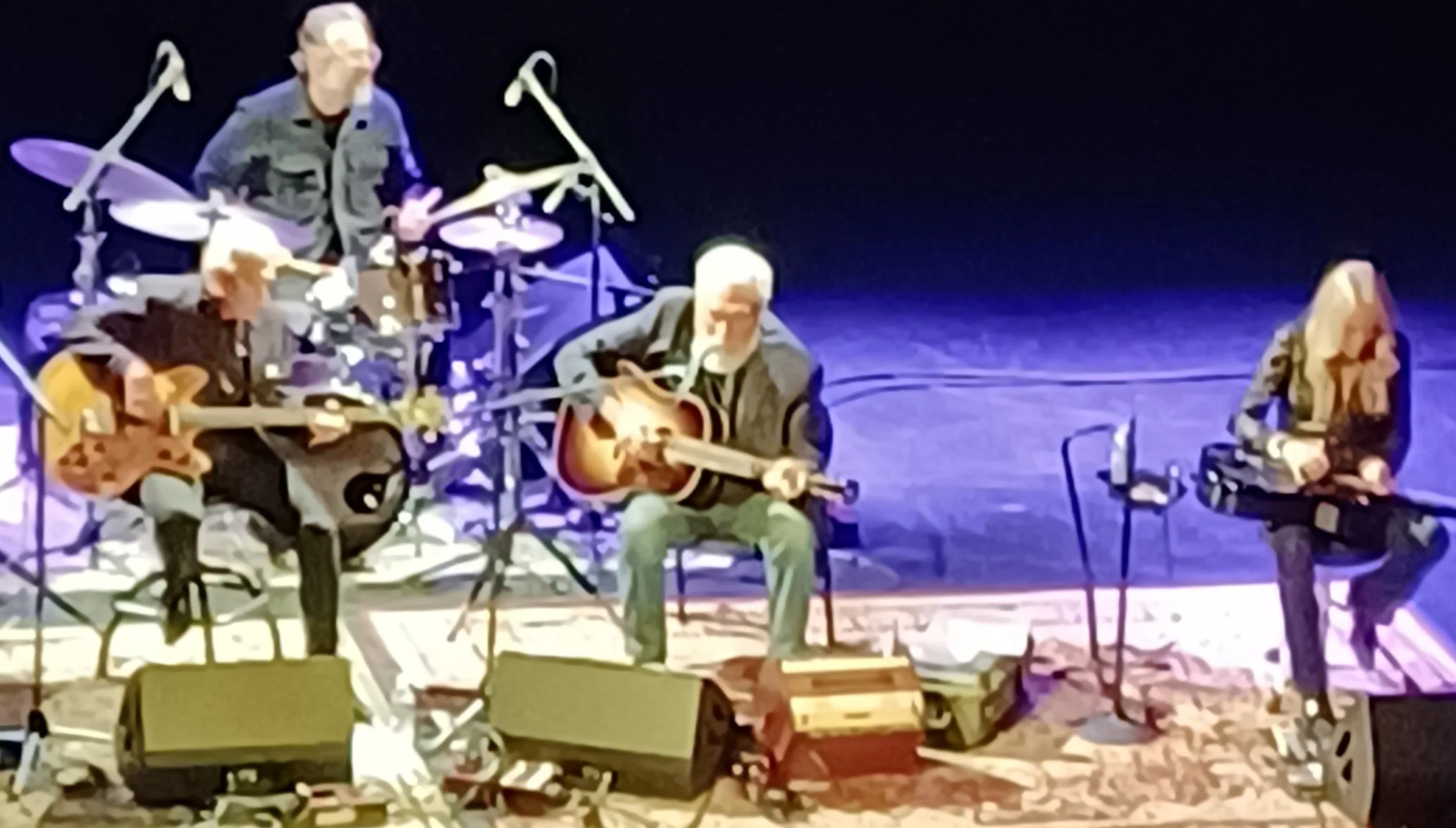
On November 1, 2025, wandering travelers gathered inside the historic Warner Theatre in Washington, D.C. for Jorma Kaukonen’s 85th birthday celebration — an evening carrying the emotional weight of friendship, survival, movement, and songs accumulated across entire lifetimes of wandering.
The performance moved fluidly between folk pathways, blues transmissions, Hot Tuna gravity, spirituals, and deeply human moments of shared recognition beneath the Warner’s aging ceilings. Steve Kimock, Cindy Cashdollar, Jim Lauderdale, Jack Casady, Justin Guip, and Ross Garren surrounded Jorma like fellow travelers converging briefly at the same signal site after decades spent crossing different roads.
At several points the audience stopped behaving like an audience altogether.
People were not merely watching.
They were accompanying.
Witnessing.
Traveling together through accumulated time.
Old theaters remember these kinds of nights
Tedeschi Trucks Band Along the River
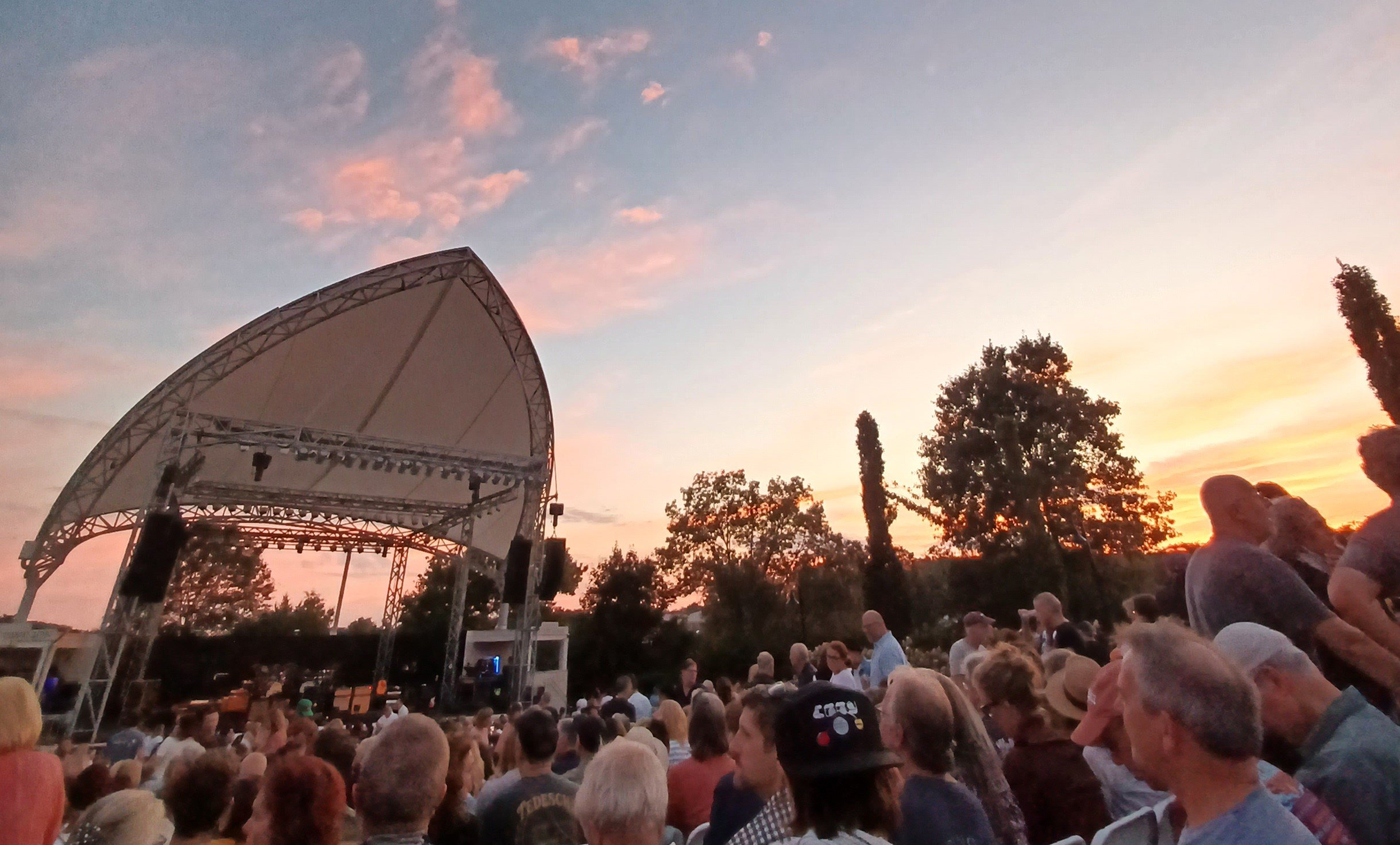
The Levitt Pavilion in Westport carries a kind of quiet beauty that changes people before the music even begins.
Set beside the Saugatuck River beneath old trees and soft September skies, the venue feels suspended somewhere between town gathering space and open-air sanctuary. As dusk settles over the water and the lights begin reflecting through the leaves, the atmosphere naturally softens and wandering travelers begin settling into the evening together.
Tedeschi Trucks Band moved through Crazy Cryin’, I Am the Moon, Pasaquan, Bell Bottom Blues, Gravity, and Midnight in Harlem with remarkable openness and emotional depth while the river drifted quietly beyond the stage. Derek Trucks’ guitar carried both enormous restraint and explosive release throughout the night while Susan Tedeschi grounded the entire gathering with warmth, soul, and human presence.
At several points the evening felt almost suspended in time — music, night air, water, and wandering observers briefly moving together within the same current before slowly dispersing back outward into separate realities again.
Contamination Observation: The Brothers / Night One at Madison Square Garden
Some gatherings feel less like concerts and more like temporary reunifications of scattered travelers.
Night one of The Brothers at Madison Square Garden carried that kind of gravity from the very beginning. I arrived with a cane in one hand and a post-surgical boot wrapped around my right foot, fully aware of the body’s limitations and the strange fragility all wandering eventually reveals.
But eventually…
I danced.
Not gracefully.
Not continuously.
Not without discomfort.
But honestly.
The old songs returned not as nostalgia, but as living structures still capable of holding grief, joy, memory, and collective emotional movement decades after their original emergence. Thousands of observers moved together beneath the lights of the Garden as Mountain Jam, Dreams, Into the Mystic, and Whipping Post transformed the arena into something far more emotionally alive than architecture alone should ever allow.
Anoushka Shankar / The Town Hall Signal Drift
Certain performances do not end when the audience leaves the building.
They continue reverberating quietly through perception itself long afterward, altering the emotional texture of ordinary reality in ways difficult to explain to observers who were not present for the initial event.
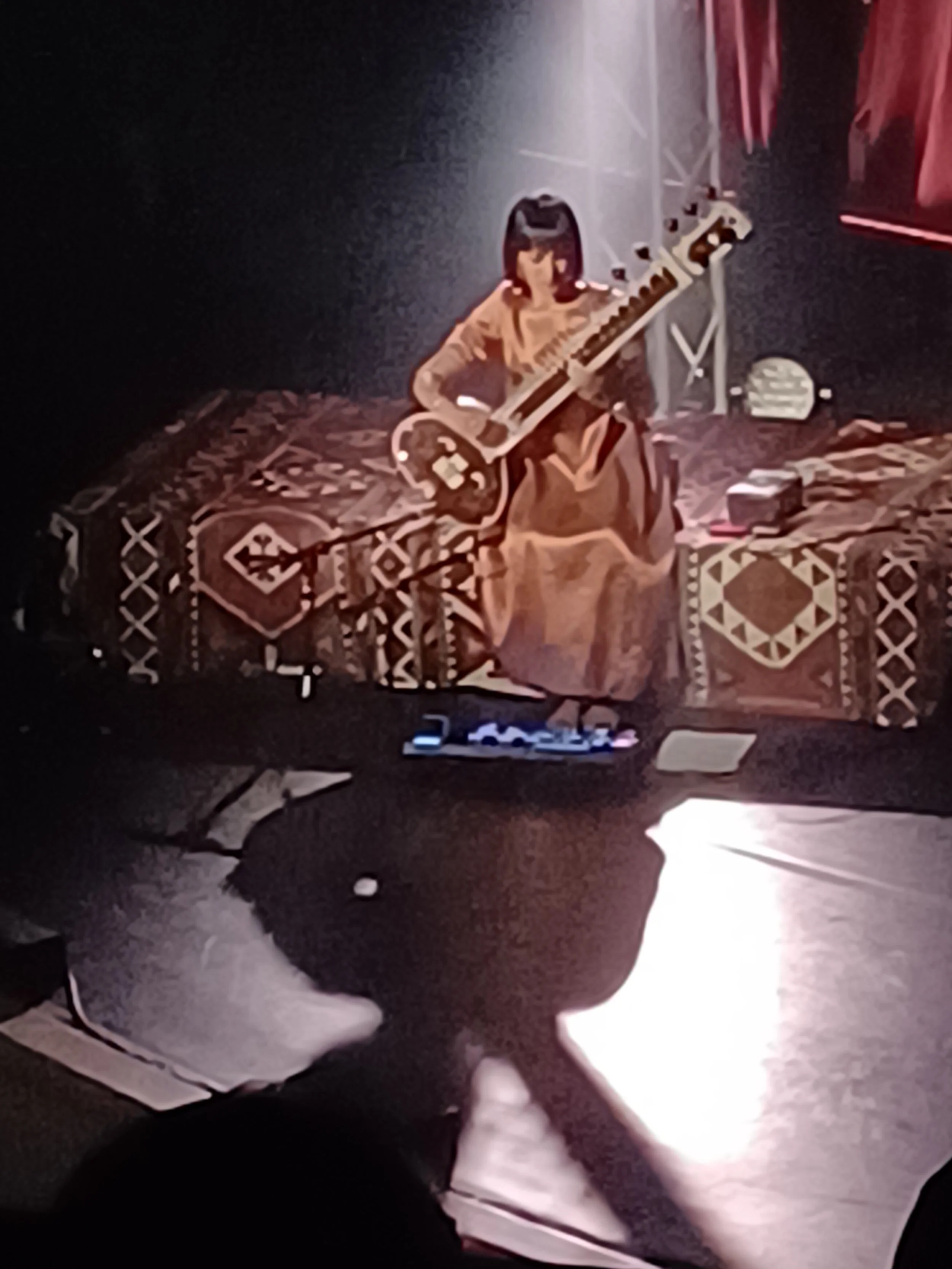
Anoushka Shankar’s March 2025 performance at The Town Hall in New York City unfolded less like a concert and more like temporary access to an altered emotional architecture operating beneath consensus systems all along. Indian classical structures merged effortlessly with trance atmospheres, ambient drift, electronic pulse systems, and meditative repetition until the distinction between performance, audience, and environment itself began quietly dissolving.
And afterward…
New York no longer looked entirely the same.
Streetlights appeared harsher.
Food tasted strangely muted.
Ordinary conversation felt thinner somehow.
Not because reality changed objectively.
But because perception had briefly expanded beyond its usual containment systems before slowly compressing itself back into ordinary form again.